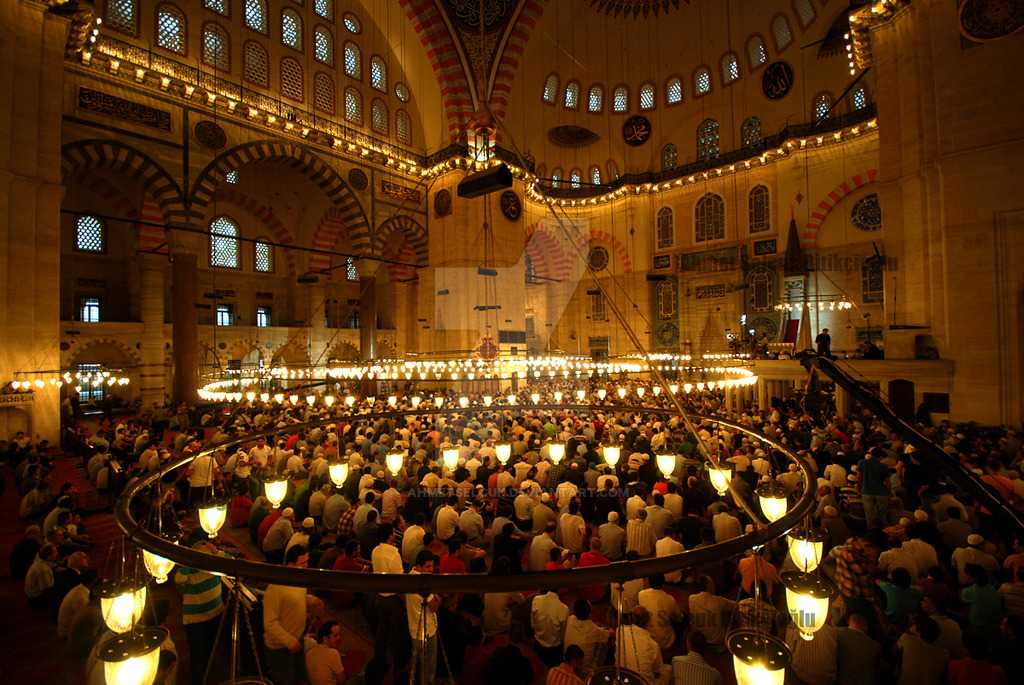
Aïd 2026 Prayer: Uniting Nations Through Faith and Solidarity
As the Islamic calendar progresses, Muslims globally anticipate the arrival of Aïd 2026, a period marked by profound spiritual devotion, communal celebration, and acts of profound solidarity. The central act of this observance, the Aïd prayer – or "prière aïd 2026" – stands as a powerful symbol of unity, connecting millions across continents. More than just a ritual, the Aïd prayer embodies a collective aspiration for peace, love, and mutual support, echoing sentiments of leaders and communities worldwide who advocate for faith as a unifying, rather than a divisive, force. This article delves into the multifaceted significance of the Aïd 2026 prayers, exploring their spiritual essence, global impact, practical considerations, and their enduring role in fostering national cohesion and international solidarity.
The Spiritual Essence of Prière Aïd 2026
The "prière aïd 2026" represents the culmination of spiritual journeys and a moment of immense gratitude. Islam observes two major Aïds: Aïd al-Fitr and Aïd al-Adha. Aïd al-Fitr, meaning the "Festival of Breaking the Fast," concludes the holy month of Ramadan, a period of fasting, introspection, and heightened devotion. Muslims gather to offer special congregational prayers, expressing gratitude to Allah for the strength and guidance received during Ramadan. It is a day of joy, forgiveness, and charity, reinforcing bonds within families and communities.
Aïd al-Adha, or the "Festival of Sacrifice" (often known as Tabaski in many West African nations), commemorates Prophet Ibrahim's (Abraham's) devotion and willingness to sacrifice his son Ismail (Isaac in Judeo-Christian traditions) in obedience to God. This Aïd falls during the annual Hajj pilgrimage to Mecca and is marked by the ritual sacrifice of an animal, the meat of which is distributed among family, friends, and the needy. Both Aïds share the special congregational prayer, typically performed shortly after sunrise on the respective day, usually in large open spaces or mosques, signifying a powerful collective affirmation of faith. The prayers are accompanied by the recitation of Takbeer (glorification of Allah) and a sermon (khutbah) that reinforces Islamic teachings, ethical values, and social responsibilities. This spiritual grounding forms the bedrock of the unity and solidarity that define these auspicious occasions.
Aïd 2026: A Global Tapestry of Unity and Solidarity
The anticipation for "prière aïd 2026" is not just about personal devotion; it's about a global phenomenon that transcends geographical and cultural boundaries. Every year, Aïd prayers bring together diverse communities, creating a universal expression of shared faith. The spirit of unity and solidarity associated with Aïd is perhaps best encapsulated by leaders who use these occasions to advocate for peace and cohesion. For instance, the events of Aïd El Kébir in 2025 in Burkina Faso, as highlighted by President Ibrahim TRAORÉ, serve as a compelling precedent for the values expected to resonate during Aïd 2026.
President TRAORÉ chose to perform the Tabaski prayer with soldiers, symbolizing solidarity with his nation's fighting forces. His message was clear and profound: religion should be a source of unity, fostering love for others and for one's homeland. He emphasized that the faith of the security forces, battling on the front lines, stems from their religious beliefs, cultivating love for their neighbors and their country, even to the point of supreme sacrifice. This act of communion with the soldiers sent a powerful message to the entire nation and beyond: use religion to unite, not to divide.
His call extended to all Burkinabè, including those in the diaspora, to cultivate religious tolerance, strengthen social cohesion, and promote "vivre-ensemble" (living together) – principles essential for building a strong, prosperous, and sovereign nation. These timeless calls for unity, empathy, and national pride, witnessed during the Aïd El Kébir 2025, perfectly frame the aspirational spirit of "prière aïd 2026". Across the globe, from the bustling cities to the quietest villages, Aïd will serve as a moment for people to put aside differences, embrace shared humanity, and stand in collective prayer, embodying a truly global tapestry of solidarity. For a deeper look into the President's impactful message, consider reading
Aïd El Kébir 2025: President's Call for Unity in Burkina Faso.
Practical Considerations for Prière Aïd 2026: Beyond the Sermon
While the spiritual significance of the "prière aïd 2026" is paramount, practical considerations are crucial for its successful observance and for maximizing its communal impact.
*
Prayer Times: Determining the precise "heure de prière" for Aïd al-Fitr and Aïd al-Adha is paramount for communities. Unlike daily prayers, Aïd prayers are performed once, early in the morning, after sunrise and before the Dhuhr (midday) prayer. The exact timing can vary slightly by location and astronomical calculations, and is often announced by local mosques and Islamic authorities closer to the actual dates, dependent on moon sightings. For instance, in cities like Baghdad, specific prayer times for Aïd El Fitr 2026 will be meticulously communicated to ensure widespread participation.
*
Preparation: Muslims prepare for Aïd prayers by performing Ghusl (a full ritual bath), wearing their best clothes, and applying perfume. It is customary to eat a few dates before Aïd al-Fitr prayer and to refrain from eating before Aïd al-Adha prayer until after the sacrifice.
*
Community Organization: Mosques and Islamic centers play a vital role in organizing large congregational prayers, often in sports fields, community halls, or designated open areas to accommodate thousands of worshippers. These logistics ensure smooth flow, clear sermon delivery, and a sense of collective order.
*
Charity and Giving: Integral to both Aïds is the emphasis on charity. For Aïd al-Fitr, Zakat al-Fitr (a small obligatory donation) is distributed to the needy before the prayer. For Aïd al-Adha, the Udhiyah (Qurbani) sacrifice ensures that meat is shared with the less fortunate, reinforcing the principle of social welfare and compassion.
*
Fostering Social Cohesion: Beyond the prayer itself, Aïd is a time for visiting family and friends, exchanging gifts, and sharing meals. These social customs are not mere formalities; they are deliberate acts that strengthen familial ties, mend strained relationships, and build a stronger, more cohesive community. These practices extend the spirit of the prayer into daily life, fostering an environment of understanding and mutual respect. Delving deeper into how these religious observances contribute to the broader societal framework can be explored in
Exploring Aïd Prayer's Role in National Cohesion and Defense.
Cultivating Tolerance and Lasting Peace through Aïd
The essence of "prière aïd 2026" extends far beyond the Muslim community, serving as a powerful demonstration of universal values such as peace, compassion, and respect. As President TRAORÉ articulated in 2025, the cultivation of religious tolerance and the reinforcement of social cohesion are indispensable for building a strong and prosperous nation. Aïd provides a unique platform for Muslims to exemplify these values, showing how faith can be a powerful catalyst for good in society.
During Aïd, the emphasis on forgiveness, reconciliation, and reaching out to others – regardless of their background – naturally promotes an atmosphere of peace. The shared joy and communal spirit invite non-Muslim neighbors and friends to participate in the celebrations, fostering interfaith dialogue and understanding. By embracing the principles of "vivre-ensemble," communities can build bridges of communication and mutual respect, dismantling stereotypes and prejudices. Religious leaders, scholars, and individuals alike have a responsibility to uphold these ideals, ensuring that the message of Aïd resonates as one of peace and harmony. The public display of unity during Aïd prayers, particularly when combined with heartfelt calls for tolerance, stands as a beacon of hope for a world that often struggles with division. It is a reminder that shared humanity, underpinned by spiritual values, can indeed pave the way for lasting peace.
Conclusion
The "prière aïd 2026" will once again gather Muslims worldwide in a momentous display of faith, unity, and solidarity. From the spiritual introspection of prayer to the festive celebrations that follow, Aïd serves as a potent reminder of our shared humanity and the enduring power of compassion. Inspired by leaders who advocate for faith as a unifying force, and through the collective acts of worship and charity, Aïd 2026 promises to be a period where nations and communities are drawn closer together. As millions bow in prayer, their collective voices will echo a message of hope, peace, and an unwavering commitment to building a more cohesive and tolerant world.